```html
So, you're finally setting up your first home here in Singapore, lah? Congratulations! It’s exciting, isn't it? People living in the Lion City often encounter special considerations when setting up their interiors, especially due to tight space constraints in HDB flats and condos and year-round moisture levels that test material durability. This is precisely why wise homeowners invest effort upfront to choose wisely to secure quality without overspending. home furniture consistently ranks as a smart purchase that delivers both superior comfort and practicality. Always keep in mind that buying value-for-money versions in Singapore with top-notch after-sales service promises you full support such as efficient island-wide delivery, expert installation, and robust warranties that deliver true long-term peace of mindyou can truly count on.. But amidst all the Pinterest boards and renovation plans, there's one crucial factor we often overlook: our crazy humidity. It’s something we deal with every day, but it can really wreak havoc on your choices for home furniture, especially your sofa. Choosing the right sofa fabric isn't just about aesthetics; it's about ensuring your investment lasts, and that means understanding how Singapore's climate impacts your furniture.
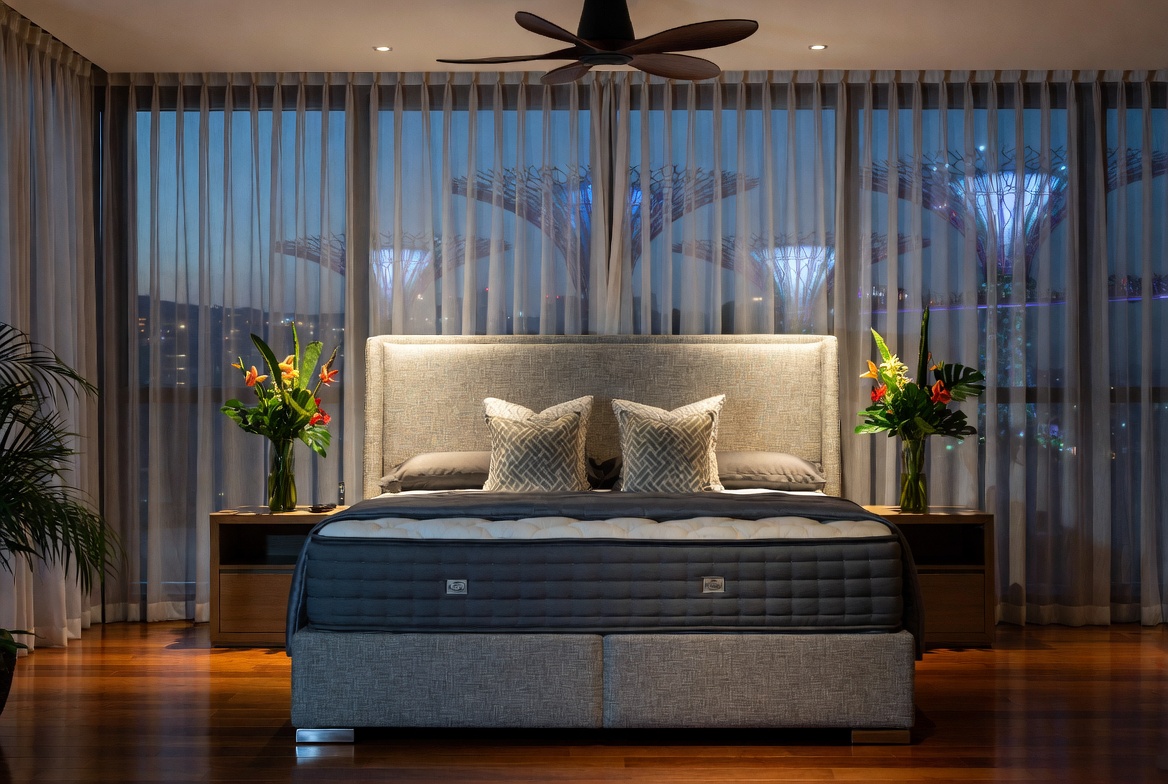
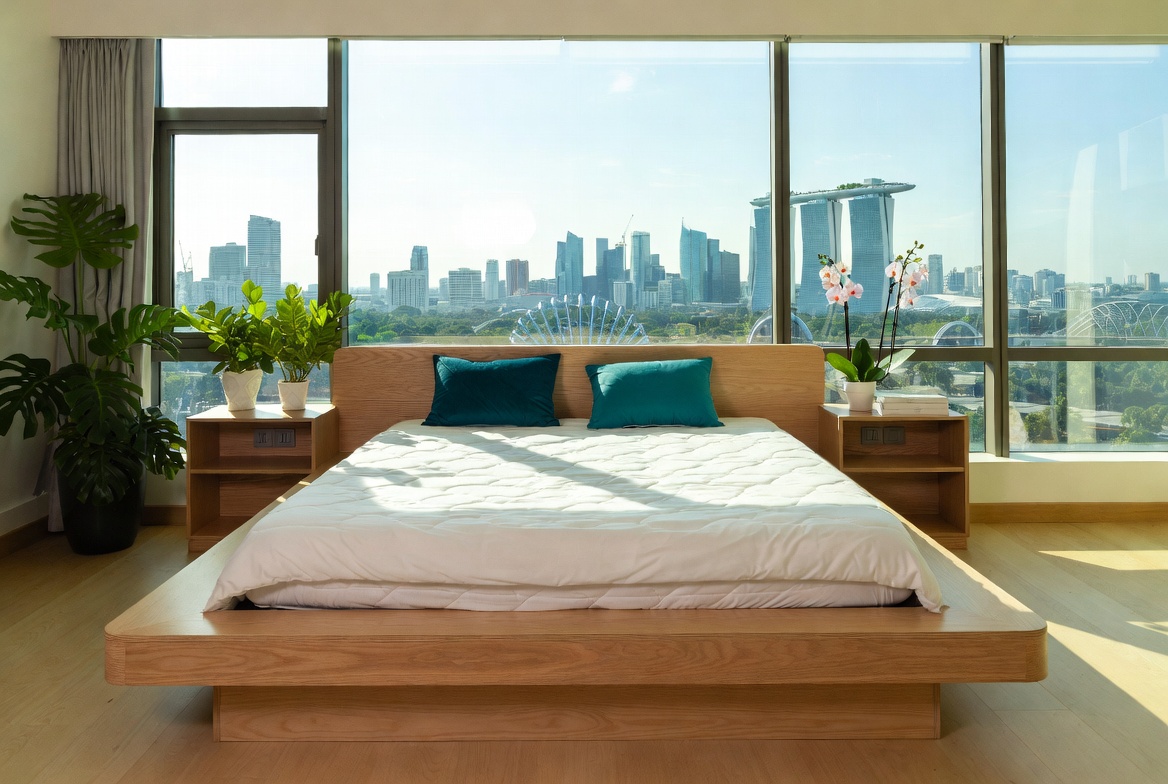
Think about it: that gorgeous velvet sofa you saw online? It might look amazing in a dry, air-conditioned showroom, but how will it fare after months of sticky, tropical air? Will it start to sag, fade, or even worse, develop that dreaded musty smell? That's why durability is key, especially when considering sofa fabrics for our unique climate. In Singapore’s smaller HDB homes and apartments, the bedroom often acts as a rest zone and more— a place for deep relaxation after hectic work shifts, enjoy quiet time with a book, or even set up a temporary WFH corner when required. It’s very typical for homeowners to feel frustrated by arrangements that appear overcrowded, harsh overhead lights, or storage that eats into valuable floor space, making the room feel more utilitarian than serene. That’s where thoughtful single bed frame makes the biggest impact—it emphasises clever spatial solutions, calming colour palettes, versatile bedroom pieces, and clever lighting to create a peaceful retreat that optimises relaxation while ensuring clutter-free airflow. SUDDENLY the bedroom turns into the place you look forward to at the end of the day, helping you de-stress more effectively, enjoy deeper rest, and start mornings feeling revitalised for whatever the next day brings. Sites such as Wondrous La Vie offer plenty of authentic project showcases and straightforward links to professionals skilled in these functional and stylish local bedroom renovations.. We need fabrics that can withstand the humidity without compromising on comfort and style. It's a challenge, but confirm can!
This guide will dive deep into selecting sofa fabrics that not only look good but are also built to last in Singapore's humid environment. We'll explore different fabric types, their pros and cons, and the specific tests that measure their durability. Consider this your cheat sheet to making an informed decision, ensuring your sofa remains a comfortable and stylish centerpiece in your home for years to come. After all, your sofa is more than just a piece of furniture; it's where you unwind after a long day, binge-watch your favorite shows, and create lasting memories with loved ones. Let’s make sure it’s ready for the job!
Okay, let's get real about humidity. It's not just a minor inconvenience; it's a major factor affecting the lifespan of your sofa. Singapore's average relative humidity hovers around 80%, and often climbs even higher. This constant moisture in the air creates a breeding ground for mold, mildew, and dust mites – all enemies of your beloved sofa. These unwelcome guests can not only damage the fabric but also trigger allergies and respiratory issues. Not a good look, right?
Fabrics that are highly absorbent, like natural cotton or linen, tend to trap moisture, making them more susceptible to mold and mildew growth. Imagine sinking into your sofa after a long day, only to find it feels damp and slightly…off. Over time, this constant exposure to moisture can weaken the fabric fibers, leading to sagging, discoloration, and an overall decline in the sofa's appearance. And let's not even talk about the potential for unpleasant odors! No one wants a sofa that smells like a locker room.
Furthermore, high humidity can also affect the sofa's frame and internal components. Wooden frames can warp or rot if exposed to excessive moisture, while metal springs can rust and lose their elasticity. All these factors contribute to a shorter lifespan for your sofa, meaning you'll have to replace it sooner than you'd like. Choosing the right fabric, therefore, isn't just about aesthetics; it's about protecting your investment and ensuring your comfort and well-being. Think of it as a long-term strategy for creating a healthy and happy home. Investing in quality home furniture is always a good idea, especially when you consider our weather here.
But don't despair! There are plenty of durable and stylish sofa fabric options that can withstand Singapore's humidity. The key is to choose fabrics that are moisture-resistant, breathable, and easy to clean. We'll explore these options in detail in the following sections, so you can make an informed decision and find the perfect sofa for your home.
Alright, so how do we actually *measure* durability when it comes to sofa fabrics? It’s not just about feeling the fabric and hoping for the best. There are specific tests and metrics that provide concrete data on how well a fabric will perform over time. Understanding these metrics will empower you to make a smarter choice and avoid ending up with a sofa that falls apart after just a few years. Let’s break down the most important ones:
These metrics provide a scientific basis for evaluating fabric durability. Don't be afraid to ask the salesperson for the test results for the fabrics you're considering. A reputable furniture store should be able to provide this information. Remember, investing in durable home furniture means you won't have to replace it as often, saving you money in the long run. Plus, it's better for the environment!
Now, let's get to the fun part: exploring the best fabric options for your sofa that can actually stand up to Singapore’s humidity. We're looking for fabrics that are durable, breathable, easy to clean, and of course, stylish. Here are a few top contenders:
When choosing a fabric, consider your lifestyle and needs. Do you have kids or pets? Are you prone to spills? Do you prefer a soft and cozy feel or a more structured look? Answering these questions will help you narrow down your options and find the perfect fabric for your sofa. Remember to ask for fabric samples and test them at home to see how they feel and look in your space. Don’t be shy; it’s your sofa, after all!
Choosing the right fabric is only half the battle. Proper maintenance is essential to extending the lifespan of your sofa and keeping it looking its best. Here are some simple yet effective tips to help you care for your sofa in Singapore's humid climate:
By following these simple maintenance tips, you can keep your sofa looking its best for years to come. Remember, a little bit of care goes a long way in preserving your investment. Think of it like this: you wouldn’t neglect your car
So, you're finally setting up your own place, huh? Congrats! Whether it's a brand new BTO or a cozy resale flat, choosing the right home furniture, especially your sofa, is a big deal. After all, that’s where you’ll be chilling after a long day, binge-watching Netflix, and entertaining friends. But Singapore’s humidity? That's another story altogether. It can really mess with your furniture if you're not careful. The key is picking a fabric that can handle the heat and moisture without turning into a mouldy mess. Let's dive into what makes a fabric humidity-resistant, yeah?
Imagine wearing a thick, plastic raincoat in this Singapore weather – sian, right? That's what it's like for your sofa if the fabric isn't breathable. Breathable fabrics allow air to circulate, preventing moisture from getting trapped inside. This is super important because trapped moisture leads to mould, mildew, and that funky smell no one wants in their living room. Think of it as giving your sofa a chance to "breathe" and stay fresh.
Natural fibres like cotton and linen are generally more breathable than synthetic ones. However, they also tend to absorb more moisture, which can be a problem. So, it's a bit of a balancing act. You want something that breathes well but doesn't soak up every drop of humidity in the air. Blends, where natural fibres are combined with synthetics, can sometimes offer the best of both worlds. They provide some breathability while also offering better resistance to moisture. When you're shopping for home furniture, particularly sofas, ask about the fabric's breathability. Don't be shy to ask, "Is this fabric 'steady' for Singapore's humid weather?"
Consider the weave of the fabric too. A looser weave allows for better airflow compared to a tightly woven fabric. Think of a loosely woven cotton shirt versus a tightly woven polyester one – which one would you rather wear on a hot day? The same principle applies to your sofa. Ultimately, breathability is your first line of defence against humidity-related woes. Choosing breathable fabrics for your home furniture is a smart move for long-term comfort and hygiene.
Okay, so breathability is important, but what about fabrics that can actually resist moisture? This is where things get interesting. Moisture-resistant fabrics are treated or designed to repel water and prevent it from soaking into the fibres. This is especially crucial for sectionals and sofas that are frequently used or exposed to spills (we all have that clumsy friend, right?). Think of it like this: you wouldn't want a fabric that absorbs every accidental splash of kopi-o like a sponge.
Synthetic fabrics like microfiber and some treated polyesters are known for their moisture resistance. They don't absorb water as easily as natural fibres, and some even have a coating that repels liquids. This is a major plus if you have kids or pets or just tend to be a bit accident-prone (no judgement!). Look for fabrics labelled as "water-repellent" or "moisture-wicking." These fabrics are designed to keep water on the surface, giving you time to wipe it away before it seeps in. But remember, "water-repellent" doesn't mean "waterproof." Eventually, enough liquid will penetrate, so quick action is still key. For home furniture, especially sofas, consider fabrics with a tight weave, as they naturally offer more resistance to moisture penetration.
Another thing to consider is the colour of the fabric. Darker colours tend to show water stains more easily than lighter colours. So, if you're going for a darker shade, make sure the fabric is highly moisture-resistant. Ultimately, choosing a moisture-resistant fabric is about protecting your investment and making your life a little easier. Less worrying about spills means more time to relax and enjoy your new home furniture.
Even with breathable and moisture-resistant fabrics, some moisture might still find its way in. That's where quick-drying properties come into play. Quick-drying fabrics don't just resist moisture; they also dry rapidly, preventing mould and mildew growth. Imagine a scenario: you accidentally spill some water on your sofa. A quick-drying fabric will allow the moisture to evaporate quickly, preventing that damp, musty smell from developing. This is especially important in Singapore, where the humidity can slow down the drying process significantly.
Fabrics like microfiber and certain synthetic blends are known for their quick-drying abilities. They don't hold onto moisture like natural fibres, allowing it to evaporate more easily. When shopping for home furniture, check the fabric specifications for drying time. Some manufacturers even provide information on how quickly their fabrics dry compared to others. It's also worth considering the colour of the fabric. Lighter colours tend to dry faster than darker colours because they reflect more heat. However, the difference is usually minimal, so don't let that be the deciding factor.
Another tip is to ensure good ventilation in your living room. The hall is typically the initial area people walk into first and where the whole household gathers at night, so it feels right to want pieces that appears stylish, hides wires cleanly, and avoids shrinking the space visually than it normally is in HDB or condo layouts. Many Singaporeans deal with oversized outdated units or budget cabinets that wobble, attract dust fast, or just don’t fit the current aesthetic they’re going for. That’s exactly where a well-chosen furniture store comes into play—it delivers smart storage solutions for entertainment equipment, set-top boxes, and remotes while becoming a chic statement piece that ties the whole living area together with sharp modern edges, thoughtful compartments, and luxurious surfaces. All at once your media corner turns organised and intentional, the space appears larger and more polished, and film evenings get way more fun without the disorder stealing attention. Checking out carefully chosen pieces on places like Wondrous La Vie helps you discover designs that fit your space perfectly, from simple modern to high-end, so your living room upgrade feels effortless and spot-on.. Open windows and use fans to promote airflow, which will help your sofa dry faster. Consider investing in a dehumidifier, especially during the rainy season. This will help reduce the overall humidity in your home, making it easier for fabrics to dry. Remember, quick-drying properties are not just about convenience; they're about preventing mould and mildew growth, which can be harmful to your health. So, when choosing home furniture, prioritise fabrics that dry quickly, especially for sofas and sectionals, to keep your living space fresh and healthy. Confirm this one, it's important!
Okay, so you've found a fabric that's breathable, moisture-resistant, and quick-drying. But what about durability? Your sofa is going to be subjected to a lot of wear and tear, especially if you have kids or pets. You need a fabric that can withstand daily use without tearing, fading, or pilling. And the weave of the fabric plays a big role in its durability. A tighter weave generally means a more durable fabric because the fibres are more closely packed together, making it harder to snag or tear. Think of it like a tightly woven basket versus a loosely woven one – which one is more likely to hold up under pressure?
Fabrics like microfiber, canvas, and some treated polyesters are known for their durability. They can withstand a lot of wear and tear without showing signs of damage. When shopping for home furniture, look for fabrics with a high "rub count." This is a measure of how resistant the fabric is to abrasion. A higher rub count means the fabric is more durable. Also, consider the weight of the fabric. Heavier fabrics tend to be more durable than lighter ones. But remember, durability doesn't have to come at the expense of comfort. There are plenty of durable fabrics that are also soft and comfortable to the touch.
The weave of the fabric also affects its appearance. A tighter weave will generally have a smoother, more refined look, while a looser weave will have a more textured, casual feel. Ultimately, choosing a durable fabric is about ensuring that your sofa looks good and lasts for years to come. It's an investment in your comfort and enjoyment of your living space. So, when choosing home furniture, don't just focus on the colour and style; pay attention to the durability and weave of the fabric too. Steady lah, choose wisely!
Singapore is sunny, like, really sunny. And all that sunshine can wreak havoc on your home furniture, especially your sofa. Over time, the sun's UV rays can cause fabrics to fade, making your sofa look old and worn out. That's where colourfastness comes in. Colourfast fabrics are treated to resist fading, even when exposed to sunlight. Imagine buying a beautiful, vibrant sofa only to see it fade to a dull, washed-out colour within a few months. Siao liao, right?
Fabrics like solution-dyed acrylic and some treated polyesters are known for their excellent colourfastness. Solution-dyed fabrics have the colour added during the manufacturing process, making them more resistant to fading. When shopping for home furniture, look for fabrics labelled as "UV-resistant" or "fade-resistant." These fabrics have been specifically treated to withstand the effects of sunlight. In Singapore’s hectic life, returning home to a space that feels properly relaxing can make a huge impact after a tiring day of office grind and MRT squeezes. Many Singapore homeowners start by eyeing refreshes for their living area or sleeping space, hoping for pieces that appear elegant while truly cozy enough for everyday living. That’s exactly why sofa makes the difference—it brings that beautiful combination of timeless aesthetics, high-quality fabrics and finishes, and genuine relaxation that turns ordinary rooms into places you genuinely look forward to relaxing in. Picture sinking into a plush sofa after family time or feeling truly rested on a supportive premium mattress that gives ideal back support; suddenly, your home feels more like a private sanctuary rather than another chore. Exploring curated selections on platforms like Wondrous La Vie helps you uncover these items without the hassle, making it easier to create a space that’s both elegant and calming.. Also, consider the colour of the fabric. Darker colours tend to fade more quickly than lighter colours. So, if you're going for a darker shade, make sure the fabric has excellent colourfastness.
Another tip is to position your sofa away from direct sunlight. If that's not possible, consider using curtains or blinds to block out some of the sun's rays. You can also apply a UV protectant spray to your sofa to help protect it from fading. Ultimately, choosing a colourfast fabric is about preserving the beauty and vibrancy of your sofa for years to come. It's a small investment that can make a big difference in the long run. So, when choosing home furniture, don't forget to consider colourfastness, especially if your living room gets a lot of sunlight. Like that, your sofa confirm can stay looking new for longer!
Choosing the right fabric for your home furniture in Singapore's humid climate can seem daunting, but it doesn't have to be. By prioritising breathability, moisture resistance, quick-drying properties, durability, and colourfastness, you can find a fabric that will keep your sofa looking and feeling great for years to come. So, take your time, do your research, and don't be afraid to ask questions. Your perfect sofa is out there, waiting to be discovered!
Pilling resistance, assessed by ISO 12945-2, determines how well a fabric resists the formation of small balls on its surface. Opt for fabrics with a rating of 4 or higher to minimize pilling. This keeps the sofa looking smooth and new, reducing the need for frequent maintenance.
The Martindale test measures a fabric's resistance to abrasion. For Singapore's humid climate, aim for a score of 20,000 rubs or higher for sofas and sectionals. This ensures the fabric can withstand daily wear and tear without pilling or showing signs of damage, maintaining its appearance over time.
Colorfastness to light, measured using ISO 105-B02, indicates how well a fabric retains its color when exposed to sunlight. In Singapore, where sunlight is intense, choose fabrics with a rating of 4 or higher. This prevents fading and discoloration, keeping your sofa looking vibrant.
Seam slippage refers to the fabric's resistance to pulling apart at the seams. Look for fabrics with a seam slippage rating of at least 6mm. This is important for sofas and sectionals, as it ensures the seams remain intact even with regular use and pressure, enhancing the furniture's longevity.
Okay, here's the HTML fragment for the specified section, following all the given rules:
Abrasion resistance is critical, especially if you have kids or pets. Think about it – how often will someone be sitting, fidgeting, or even just dragging themselves across the sofa? A fabric's ability to withstand this constant friction is measured by rub count. In Singapore’s space-limited HDBs and condos, intelligent storage solutions is often the key to a peaceful tidy home and one that always looks messy no matter how much you clean up. Homeowners often struggle with overflowing shelves, random boxes under the bed, or units too deep for easy access or too narrow for daily needs, making daily life feel more stressful than it should. That’s precisely where a smart sofa comes in—it offers customised sections, flexible shelving, stylish doors that conceal clutter, and compact footprints that make the most of limited space while adding a polished, modern touch to living areas, sleeping spaces, or even cooking zones. The result is a home that keeps organised with little work, flat surfaces open for family time, and you finally get that wonderful sense of order that makes coming home so much more shiok. Platforms like Wondrous La Vie showcase plenty of smart and attractive designs, helping you choose the ideal fit that fits your exact needs and space without guesswork.. For home furniture in Singapore, you'll want a fabric with a high rub count, ideally over 30,000 rubs using the Martindale test. Anything less, and you might find yourself with a worn-out looking sofa sooner than you’d like. Consider this a key factor when choosing your sofa fabric, especially if you want something that lasts through the years, lah.
Singapore's humidity is no joke, right? That's why moisture-wicking fabrics are so important for your sofa. These fabrics are designed to draw moisture away from the surface, preventing that clammy feeling when you sit down. Look for materials like certain performance microfibers or even some treated cotton blends that boast good moisture-wicking properties. This doesn’t just keep you comfortable; it also helps prevent mold and mildew growth inside the sofa cushions, extending the lifespan of your home furniture. Plus, nobody wants a sofa that feels damp all the time, confirm plus chop!
Let's be real, spills happen. Whether it's kopi-o from your morning routine or a little one's juice mishap, stains are practically inevitable, especially with kids and pets around. Opting for stain-resistant fabrics can save you a lot of headaches (and cleaning sessions!). Many synthetic microfibers and performance fabrics come with built-in stain resistance, making them easier to clean with just a damp cloth. Some even have special coatings that repel liquids, preventing them from soaking into the fabric fibers. After those long tiring days and the daily MRT squeeze, nothing beats walking into a living room that actually welcomes you to rest instead of adding to the fatigue. Many busy Singapore households realise their old couch just isn’t cutting it—too hard, faded, or simply not comfortable enough for weekend chilling or easy family hangouts with the little ones. That’s precisely where designer furniture singapore truly shines—it blends refined aesthetics, supple premium upholstery, and thoughtful support structure so you can settle in deeply and fully chill without your back aching afterwards. Picture the kids and parents hanging out comfortably, talking during dinner or watching dramas together, because the space suddenly becomes cosy and inviting. Choosing the ideal sofa through trusted sites like Wondrous La Vie removes the hassle, letting you uncover that ideal match that elevates your entire home vibe without the common home-upgrade worries.. This is a lifesaver for maintaining the look of your sofa and keeping your home furniture looking fresh.

Colorfastness refers to a fabric's ability to retain its color over time, even when exposed to sunlight or cleaning. In Singapore, we get a lot of sun, so this is particularly important. Fabrics with poor colorfastness will fade quickly, leaving your sofa looking dull and washed out. Look for fabrics that have been tested for colorfastness and have a good rating, especially if your sofa will be placed near a window. This simple check can save you from the disappointment of a faded sofa and ensure your home furniture stays vibrant for years to come. Imagine buying a beautiful blue sofa, only to have it turn a sickly grey in a year, kan cheong!
Seam strength often gets overlooked, but it's crucial for the durability of your sofa. The seams are where different pieces of fabric are joined together, and they're often the weakest points. If the seams are weak, they can easily tear or fray, especially with regular use. Look for sofas with reinforced seams and fabrics that have high tensile strength. This ensures that the seams can withstand the stress of everyday use and that your home furniture will hold up well over time. After all, you don't want to be constantly worrying about your sofa falling apart at the seams, right?
Ok, here's an HTML fragment ready for your article, focusing on a friendly, helpful tone for Singaporean homeowners:
So, you're finally getting your own place, shiok! Or maybe you're just giving your current home a little facelift. Either way, choosing the right sofa is a big decision, right? It's where you'll Netflix and chill, where the kids will build pillow forts, and where you'll probably end up taking that afternoon nap after a heavy lunch. But let's be real, Singapore's humidity can be a real killer for home furniture, especially sofas. We need something that can tahan (withstand) our weather!
That's why picking the right fabric is super important. It's not just about the colour or the feel; it's about how well it'll hold up against the constant moisture in the air. Think about it: mould, mildew, that slightly musty smell… no one wants that! So how do you make sure your sofa stays fresh and comfy for years to come? By understanding the durability tests that matter most, lah! Let's dive into the nitty-gritty, shall we?
And hey, speaking of sofas, did you know that the first sofas, way back when, were actually more like elaborate thrones for royalty? Thankfully, these days, sofas and sectionals are for everyone, and come in all shapes and sizes, from cozy two-seaters perfect for smaller HDB flats to sprawling modular designs that can fit the whole family. Choosing the right fabric is just one piece of the puzzle, but it's a crucial one!
Imagine this: you've just settled in for movie night with a big glass of iced Milo, and oops, a little spills. Or maybe the kids come in from the pool, dripping wet, and plop themselves right onto the sofa. Panic mode, right? That's where water repellency comes in. It's all about how well the fabric resists absorbing liquids.
A good water repellency test will show you how long the fabric can withstand water before it starts to soak through. They usually drip water onto the fabric and see how it beads up (or doesn't). The better the beading, the better the repellency. Look for fabrics that have a tight weave and a water-resistant finish. These are your best bet for keeping your sofa dry and preventing those nasty water stains. After all, who has time to deal with constant spills and stains? Confirm plus chop, water repellency is a must-have for home furniture in Singapore!
But here's a little something to think about: some water-repellent finishes can wear off over time, especially with frequent cleaning. So, it's a good idea to ask about the longevity of the finish and whether it can be reapplied. Also, even the most water-repellent fabric isn't completely waterproof, so it's still a good idea to wipe up spills as soon as they happen.
Okay, let's talk about wear and tear. How often do you actually *use* your sofa? Every day, right? Sitting, lounging, maybe even the occasional jumping (we've all been there!). All that friction can really take a toll on the fabric. That's where the Martindale test comes in. It's a fancy way of measuring how well a fabric can resist abrasion, which is basically rubbing and wear.
The Martindale test uses a special machine that rubs the fabric in a circular motion until it starts to show signs of wear. The higher the Martindale number, the more durable the fabric. For home furniture that's going to see a lot of action, like in a family room, you'll want to look for fabrics with a Martindale rating of at least 20,000 rubs, but ideally 30,000 or more. This means it can handle everyday use without pilling, fading, or wearing thin too quickly. Think of it as a measure of how well your sofa can tahan all the action from you and your family!
Just a quick tip: heavier fabrics, like those used in sofas and sectionals designed for high-traffic areas, generally have higher Martindale ratings. So if you've got kids or pets, or you just tend to be a bit rough on your furniture (no judgement!), it's worth investing in a fabric that can stand up to the challenge.

Ever noticed how sometimes the seams on your clothes start to pull apart? The same thing can happen with your sofa! Seam slippage is when the fabric starts to pull away from the seams, leaving gaps or exposed stitching. Not a good look, right? Especially after you've spent good money on your new home furniture!
The seam slippage test measures how much force it takes to pull the fabric away from the seam. A good result means the fabric is strong enough to hold its shape and resist pulling, even with regular use. This is particularly important for areas that get a lot of stress, like the seat cushions and armrests. You want a fabric that can withstand the pressure of people sitting, leaning, and generally being comfy. Look for tightly woven fabrics and reinforced seams for the best results. After all, you want your sofa to stay in one piece, lah!
Here's a fun fact: seam slippage can also be affected by the type of thread used to sew the seams. Stronger threads, like nylon or polyester, are less likely to break or stretch, which helps to prevent the fabric from pulling away. So, when you're shopping for a sofa, don't be afraid to ask about the type of thread used in the seams. It's all about the details, you know?
Imagine buying a beautiful, vibrant sofa, only to have the colour fade after just a few months. Heart pain, right? Especially with the Singapore sun blazing through the windows! That's why colorfastness is so important. It's all about how well the fabric retains its colour when exposed to light, water, and rubbing.
The colorfastness to light test measures how resistant the fabric is to fading when exposed to sunlight. Fabrics are rated on a scale of 1 to 8, with 8 being the most colorfast. For home furniture in Singapore, where we get a lot of sunshine, you'll want to look for fabrics with a rating of at least 4 or 5. This will help to prevent your sofa from fading and looking washed out over time. Also, consider the placement of your sofa. If it's going to be in direct sunlight, you might want to choose a darker colour, as darker colours tend to be more colorfast than lighter ones.
The colorfastness to water and rubbing tests measure how well the fabric retains its colour when exposed to water and friction. These are important for preventing colour bleeding or transfer, especially if you have kids or pets who might be a bit messy. Look for fabrics that are rated as "good" or "excellent" for both of these tests. Singapore homes can feel extra cramped after a long exhausting day of rushing between office, meetings, and the inevitable MRT crowd, so it’s no wonder many Singaporeans yearn for a space that immediately soothes you the moment they enter their home. The hall often ends up as the main gathering spot, yet it’s easy for it to become cluttered with mismatched pieces or sofas and chairs past their prime, leaving everyone dispersed rather than connected. That’s where furniture promos completely changes the game—it upgrades the whole area with refined arrangements, premium textures, statement lighting, and supportive pieces with stunning design, creating an cosy focal point where everyone naturally gathers to relax, chat, or simply enjoy each other’s company. Nights at home start feeling richer, weekends far more relaxing, and coming home turns into something you genuinely look forward to rather than just the end of the day. Platforms like Wondrous La Vie make discovering such enhancements straightforward, helping you visualise and source the right elements to craft a living room that fits your family’s needs spot on.. Nobody wants a sofa that stains their clothes or fades every time it gets a little wet! These tests are super important for sofas and sectionals in our humid climate.
Okay, let's talk about something a little less glamorous but super important: germs! In Singapore's humid climate, mould and mildew can thrive, and they can be especially problematic for home furniture. That's why anti-microbial treatments are a big plus.
Anti-microbial assessments test how well the fabric resists the growth of bacteria, mould, and mildew. Fabrics with good anti-microbial properties can help to keep your sofa clean and fresh, and they can also help to prevent those musty odours that can develop in humid environments. This is especially important if you have allergies or asthma, as mould and mildew can trigger symptoms. Look for fabrics that have been treated with an anti-microbial finish, and be sure to follow the manufacturer's instructions for cleaning and care to maintain the effectiveness of the treatment. After all, a clean sofa is a happy sofa!
One thing to keep in mind: anti-microbial treatments are not a substitute for regular cleaning. It's still important to vacuum your sofa regularly and clean up spills promptly to prevent the growth of bacteria and mould. But an anti-microbial finish can provide an extra layer of protection, giving you peace of mind and helping to keep your home furniture looking and smelling its best.
Okay, *lah*, so you've bravely ventured into the world of sofa fabrics. Good on you! But now you're staring at numbers and ratings that look like some kind of secret code. Don't worry, *lah*, it's not as complicated as it seems. Let’s break down what these durability tests actually mean, especially when you're trying to find the perfect sofa for your Singapore home. After all, you want something that looks good *and* lasts!
First off, why even bother with these numbers? Well, think about it. In Singapore, our home furniture faces a unique set of challenges. The humidity is killer, kids spill Milo, and sometimes, let's be honest, we might accidentally nap on the sofa after a long day at work. Durability testing helps you understand how well a fabric will hold up to all that, and more. It's about making an informed decision so you don't end up replacing your sofa every other year. Nobody wants that, right?
The most common test you'll see is the Martindale rub test. This test measures the abrasion resistance of a fabric – basically, how much rubbing it can take before it starts to wear down. The higher the number, the more durable the fabric. So, what's a good number? For a sofa that's going to see a lot of action – think families with kids or pets – you’ll want to look for a Martindale rating of at least 20,000 rubs. Ideally, aim for 30,000 or even higher. Fabrics with lower ratings might be fine for decorative cushions or areas with less traffic, but for your main sofa, *confirm* go for something more robust. I mean, who wants a sofa that starts pilling after just a few months?
Another important factor, especially in our humid climate, is water repellency. Look for fabrics that have been treated with a water-repellent finish. These finishes prevent liquids from soaking into the fabric, giving you time to wipe up spills before they stain. Water repellency is often graded on a scale, with higher numbers indicating better protection. In Singapore’s tropical climate and demanding work-life balance, getting decent sleep can feel like a rare treat when you’re waking up with backaches or dragging through the morning despite going to sleep on time. Many busy locals put up with an old, sagging mattress for a long time because shopping for a replacement seems daunting—too many choices, confusing firmness levels, and worries it won’t suit their body type and sleep style. That’s exactly why finding the sleep well transforms your nights—it offers the right balance of proper spinal alignment, excellent airflow and cooling, even weight distribution, and long-lasting quality so you genuinely rise alert and pain-free instead of stiff and tired. Suddenly mornings start easier, energy levels stay steadier, and even your bedmate feels the improvement. Exploring thoughtfully chosen picks on platforms like Wondrous La Vie takes the stress away, letting you evaluate the best-rated ones with authentic Singapore user experiences and visuals to match what truly works for your sleeping space.. While a completely waterproof sofa might sound tempting, remember that breathability is also important. You don't want to end up sitting on a sweaty sofa all the time. A good balance of water repellency and breathability is key for home furniture in Singapore.
Beyond Martindale and water repellency, there are other tests to consider. Some fabrics are tested for colourfastness – how well they retain their colour when exposed to light or washing. This is especially important if your sofa will be near a window, as sunlight can cause fading over time. Look for fabrics with good colourfastness ratings to ensure your sofa stays looking vibrant for years to come. There are even tests for stain resistance, which can be a lifesaver if you have kids or pets.

Now, how do you actually use these numbers to make a decision? Well, start by identifying your needs. How much use will the sofa get? Do you have kids or pets? Is it going to be in a sunny spot? Once you have a clear idea of your needs, you can start comparing fabrics based on their test scores. Don't just look at one number in isolation. Consider the overall performance of the fabric across all the relevant tests.
Don't be afraid to ask questions! When you're shopping for sofas, ask the salesperson about the fabric's durability ratings. A reputable furniture store should be able to provide you with this information. If they can't, that's a red flag. Also, remember that price isn't always an indicator of quality. Some expensive fabrics might not be as durable as more affordable options. It's all about doing your research and understanding what the numbers mean.
Choosing the right sofa fabric can feel overwhelming, especially with all the numbers and technical jargon. But by understanding what these durability tests measure, you can make a more informed decision and choose a sofa that will not only look great in your home but also withstand the test of time (and Singapore's humidity!). So go forth, armed with this knowledge, and find the perfect sofa for your lifestyle! *Steady pom pi pi*!
Okay, here's an HTML fragment based on your instructions, aiming for that engaging, human tone for Singaporean homeowners. ```html
So, you've finally got your own place, shiok! Or maybe you're just giving your current home a much-needed refresh. Either way, choosing the right home furniture, especially your sofa, is a big deal. It's where you'll Netflix and chill, entertain friends, and maybe even sneak in a nap or two. But let's be real, Singapore's humidity can be a real killer for sofa fabrics. Don't worry, lah, it's not all doom and gloom! With a few smart choices and some simple maintenance, you can keep your sofa looking fresh for years to come.
We know how it is, finding affordable home furniture in Singapore that also looks good and lasts can be a challenge. You want something stylish, functional, and, most importantly, able to withstand the tropical climate. After all, nobody wants a moldy sofa, right? Let’s dive into some practical tips to help you navigate this, covering everything from ventilation to cleaning hacks.
Singapore’s humidity is no joke. It's that sticky feeling you get the moment you step outside, and it can wreak havoc on your home furniture, especially your beloved sofa. Think of it this way: humidity creates the perfect breeding ground for mold and mildew. These sneaky culprits love to feast on organic materials like cotton and linen, leading to unsightly stains, unpleasant odors, and even fabric degradation over time. And nobody wants a sofa that smells like a damp towel, correct?
But it’s not just about mold. High humidity can also weaken the fibers of your sofa fabric, making it more susceptible to tears and wear. Imagine your kids jumping on the sofa (as they inevitably will!), or your pet scratching at it. Combine that with weakened fibers, and you've got a recipe for disaster. Plus, damp fabric attracts dust mites, which can trigger allergies and asthma. Not ideal, especially if you have young children or family members with sensitivities.
So, what's a homeowner to do? Don't despair! Understanding the problem is the first step. Now, let's look at some practical ways to protect your home furniture investment from the ravages of humidity. We'll cover everything from choosing the right fabrics to implementing simple, everyday maintenance routines. Think of it as an investment in your comfort and the longevity of your living space. After all, a happy sofa equals a happy home, right?
One of the simplest, yet most effective, ways to combat humidity is to ensure good ventilation around your sofa. Think of it as giving your sofa a chance to breathe. Proper airflow helps to prevent moisture from building up in the fabric, reducing the risk of mold and mildew growth. So, how do you achieve this in a typical Singaporean home?
First, avoid placing your sofa directly against a wall, especially an exterior wall. Leave a few inches of space to allow air to circulate behind it. This is especially important if you live in a corner unit or a ground-floor apartment, where humidity levels tend to be higher. Opening windows regularly, even for a short period each day, can also make a big difference. Let that fresh air in, lah! If you have air conditioning, use it regularly, as it helps to dehumidify the air. With Singapore’s smaller living spaces and tropical humidity, finding furniture that’s both stylish and practical can feel like a constant search—especially when you need items that endure long-term without losing style or comfort. Many locals end up going with mass-market options that look okay online but disappoint in real life—either too lightweight for real family life or not cool enough for our weather. That’s why visiting a reliable single mattress like those featured on Wondrous La Vie really stands out—it links you seamlessly with handpicked collections of quality sofas, mattresses, meal-area pieces, and more, with actual physical displays or realistic images so you can have peace of mind about what suits your flat, apartment, or house. You get that confidence knowing the items are tailored to local needs—durable materials, practical proportions, and designs that actually make your home feel more shiok and welcoming. In the end, the perfect platform turns what could be a stressful errand into an enjoyable journey toward a space you can’t wait to return to.. But be mindful of the temperature – you don't want to freeze your guests!
Consider using a dehumidifier, especially during the rainy season. These handy devices can help to remove excess moisture from the air, creating a less hospitable environment for mold and mildew. Place the dehumidifier near your sofa for maximum effectiveness. Another tip? Avoid hanging wet clothes near your sofa. This might seem obvious, but it's a common mistake that can significantly increase humidity levels in the immediate vicinity. Instead, use a clothes dryer or hang your clothes in a well-ventilated area.
Good ventilation isn't just about preventing mold; it also helps to keep your sofa smelling fresh. Trapped moisture can lead to musty odors, which can be difficult to get rid of. By maximizing airflow around your sofa, you're not only protecting it from damage but also ensuring a more pleasant living environment. So, make ventilation a priority, and your sofa will thank you for it!
Regular cleaning is essential for maintaining the health and longevity of your sofa fabric, especially in Singapore's humid climate. But don't worry, you don't need to spend hours scrubbing and vacuuming. A few simple cleaning hacks can go a long way in keeping your sofa fresh and mold-free. Think of it as a quick and easy way to protect your investment and maintain a healthy living environment.
Start with regular vacuuming. Use the upholstery attachment on your vacuum cleaner to remove dust, dirt, and debris from your sofa at least once a week. Pay special attention to crevices and seams, where dirt tends to accumulate. For fabric sofas, consider using a dry brush to loosen any stubborn particles before vacuuming. This will help to lift the dirt and make it easier to remove. For leather sofas, use a soft cloth to wipe away dust and dirt.
Address spills and stains immediately. The longer a stain sits, the harder it will be to remove. Blot the spill with a clean, absorbent cloth, working from the outside in to prevent it from spreading. Avoid rubbing, as this can damage the fabric. For specific stains, consult the manufacturer's instructions or a professional cleaning guide. There are also many DIY cleaning solutions you can try, but always test them on an inconspicuous area first to ensure they don't damage the fabric.
Consider using a fabric protector spray. These sprays create a barrier that repels liquids and stains, making it easier to clean up spills. Apply the spray according to the manufacturer's instructions, and reapply it every few months or as needed. For deeper cleaning, consider hiring a professional upholstery cleaner. They have the equipment and expertise to safely and effectively clean your sofa, removing stubborn stains and odors. Plus, they can help to protect your sofa from future damage.
Don't underestimate the power of baking soda! Sprinkle baking soda over your sofa, let it sit for a few hours (or even overnight), and then vacuum it up. Baking soda is a natural deodorizer that can help to absorb odors and freshen up your sofa. It's also a safe and effective way to remove minor stains. So, keep a box of baking soda handy, and your sofa will always be ready for guests!
Beyond ventilation and cleaning, there are several protective measures you can take to further extend the lifespan of your sofa fabric in Singapore's humid climate. These measures act as shields, protecting your sofa from the elements and minimizing wear and tear. Think of it as investing in long-term comfort and peace of mind. After all, a little prevention goes a long way, right?
Consider using sofa covers or throws. These are a great way to protect your sofa from spills, stains, and everyday wear and tear. Choose covers or throws made from breathable fabrics, such as cotton or linen, to prevent moisture buildup. You can easily remove and wash these covers, making them a convenient and cost-effective way to keep your sofa looking fresh. Plus, they can add a pop of color or pattern to your living room, allowing you to change up your décor without having to replace your entire sofa.
Avoid placing your sofa in direct sunlight. Prolonged exposure to sunlight can fade and damage the fabric, especially darker colors. If possible, position your sofa away from windows or use curtains or blinds to filter the sunlight. This will help to preserve the color and integrity of your sofa fabric. Consider investing in UV-resistant window film. This film blocks harmful UV rays, protecting your sofa and other home furniture from sun damage.
Be mindful of what you place on your sofa. Avoid placing sharp objects or heavy items on the fabric, as this can cause tears or indentations. If you have pets, consider using a pet-friendly sofa cover or throw to protect the fabric from scratches and pet hair. Trim your pet's nails regularly to minimize damage. Train your pets to stay off the furniture, but let’s be real, that’s easier said than done, hor?
Rotate your sofa cushions regularly. This will help to distribute wear evenly and prevent certain areas from becoming overly worn. Fluff your cushions regularly to maintain their shape and prevent them from becoming flat. These simple steps can significantly extend the lifespan of your sofa cushions, saving you money in the long run.
The best way to prolong the life of your sofa fabric in Singapore's humidity is to choose the right fabric in the first place. Selecting a durable, moisture-resistant fabric can make all the difference, saving you time, money, and headaches down the road. Think of it as a proactive approach to home furniture maintenance.
Consider synthetic fabrics like microfiber, polyester, or olefin. These fabrics are known for their durability, stain resistance, and moisture-wicking properties. They are also relatively affordable, making them a great choice for budget-conscious homeowners. Microfiber is a particularly popular choice, as it is soft, comfortable, and easy to clean. Polyester is another good option, as it is resistant to fading and stretching.
If you prefer natural fabrics, opt for tightly woven cotton or linen blends. These fabrics are more breathable than pure cotton or linen, allowing for better airflow and reducing the risk of moisture buildup. Look for fabrics that have been treated with a stain-resistant finish. This will help to repel liquids and make it easier to clean up spills. Avoid delicate fabrics like silk or velvet, as they are more susceptible to damage from humidity and wear.
Consider the color and pattern of the fabric. Lighter colors tend to show stains more easily, while darker colors can fade more quickly in direct sunlight. Patterns can help to camouflage stains and wear, making them a practical choice for families with children or pets. Before making a final decision, request fabric samples and test them in your home. This will allow you to see how the fabric looks and feels in your living space and how it holds up to everyday wear and tear.
Don't be afraid to ask for advice from a home furniture expert. They can help you choose the right fabric for your lifestyle and budget. They can also provide valuable tips on how to care for your sofa and protect
So, you've got the keys to your new BTO or condo – congrats! Now comes the fun (and sometimes stressful) part: turning that blank canvas into a cozy home. And let's be honest, one of the biggest decisions is choosing the right sofa. It's where you'll Netflix and chill, host friends, and maybe even sneak in a nap or two. But with so many options, where do you even start, especially when you're trying to stick to a budget? Don't worry, *lah*, we've all been there.
Think about it: your sofa is a major piece of home furniture. It's not just about looks; it needs to withstand Singapore's humidity, your kids' sticky fingers, and maybe even the occasional pet accident. You want something that looks good, feels good, and, most importantly, doesn't break the bank. That's why choosing the right fabric is crucial. It’s the unsung hero that determines how long your sofa will last and how much maintenance it will require. Let's dive into some cost-effective fabric choices that are perfect for the budget-conscious homeowner in Singapore.
Singapore's climate is a beast, let's be real. We're talking high humidity, intense sunshine, and the occasional torrential downpour. All of this can wreak havoc on your home furniture, especially your sofa. Fabrics can fade, mildew can grow, and some materials just become plain uncomfortable in the heat. So, what can we do? Well, understanding how different fabrics react to these conditions is the first step.
Natural fibers like cotton and linen, while breathable and comfortable, can be prone to absorbing moisture, making them susceptible to mold and mildew, a common problem here, *right*? Synthetic fabrics, on the other hand, often offer better resistance to moisture and fading. But not all synthetics are created equal. We need to find that sweet spot between comfort, durability, and affordability. Think about where your sofa will be placed. Is it near a window with direct sunlight? That will impact your fabric choice. Is it in a high-traffic area? Then you'll need something extra durable. These considerations will help guide your decision.
Alright, let's get down to the nitty-gritty. What are the best affordable and durable fabric options for your sofa in Singapore? Here are a few contenders:
Polyester: This is a workhorse fabric. It's incredibly durable, resistant to stains and fading, and relatively inexpensive. Plus, it comes in a wide range of colors and textures, so you're sure to find something that fits your style. Polyester blends, like a polyester-cotton mix, can offer even better comfort and breathability. It's a popular choice for families with kids and pets because it can handle a lot of wear and tear. Thinking of getting a sectional? Polyester is a *steady* option.
Microfiber (or Faux Suede): Microfiber is another great option for budget-conscious homeowners. It's soft to the touch, easy to clean, and surprisingly durable. It's also resistant to stains and water, making it a good choice for families with young children. One thing to note: microfiber can sometimes trap heat, so consider this if you don't always have the air-con on. But overall, it's a solid choice for affordable comfort.
Olefin: You might not have heard of this one, but olefin is a hidden gem. It's a synthetic fiber that's incredibly resistant to moisture, stains, and fading. It's also relatively inexpensive and easy to clean. Olefin is often used in outdoor furniture, which means it can definitely handle Singapore's humidity. It might not be as soft as microfiber, but it's a practical and durable choice, *lah*.
Okay, so you've got some fabric options in mind. But how do you make sure you're getting the best bang for your buck? It's all about balancing cost and performance. Here are a few things to look for:
Rub Count: This measures the fabric's resistance to abrasion. A higher rub count means the fabric is more durable and can withstand more wear and tear. Look for a rub count of at least 15,000 for residential use, but ideally, aim for 20,000 or higher if you have kids or pets. It's a simple metric that can save you from replacing your sofa sooner than you'd like.
Stain Resistance: Let's face it, spills happen. Look for fabrics that are treated with stain-resistant finishes. These finishes can help repel liquids and prevent stains from setting in. Some fabrics are even naturally stain-resistant, like olefin. It's always a good idea to ask about stain resistance when you're shopping for home furniture.
Fade Resistance: Singapore's sun can be brutal. Choose fabrics that are fade-resistant, especially if your sofa will be near a window. Look for fabrics that are solution-dyed, which means the color is added during the manufacturing process, making it more resistant to fading. Nobody wants a sofa that looks washed out after just a few months, *right*?

You've chosen your fabric, you've bought your sofa, now what? Proper maintenance is key to extending the life of your sofa fabric and keeping it looking its best. Here are a few tips:
Vacuum Regularly: This helps remove dust, dirt, and debris that can accumulate over time and damage the fabric. Aim to vacuum your sofa at least once a week, especially in high-traffic areas. Use the upholstery attachment on your vacuum cleaner to avoid damaging the fabric.
Clean Spills Immediately: Don't let spills sit and soak into the fabric. Blot them up immediately with a clean, dry cloth. Avoid rubbing, as this can spread the stain. For stubborn stains, use a mild detergent and water solution. Always test the solution on a hidden area of the fabric first to make sure it doesn't cause any discoloration.
Consider Professional Cleaning: Even with regular cleaning, your sofa will eventually need a professional cleaning. This can help remove deep-seated dirt and stains and refresh the fabric. Aim to have your sofa professionally cleaned every 12-18 months, depending on how much use it gets.
Use Fabric Protectors: Applying a fabric protector can help repel stains and make it easier to clean up spills. Look for fabric protectors that are specifically designed for your type of fabric. Follow the instructions carefully when applying the protector.
So, where can you find affordable sofa options in Singapore that don't compromise on quality? Here are a few places to check out:
Local Furniture Stores: Many local furniture stores offer a wide range of sofa options at competitive prices. Look for stores that specialize in affordable home furniture and offer customizable options. Don't be afraid to ask about discounts or promotions. Sometimes, *like that*, you can get a good deal.
Online Retailers: Online retailers can offer even more competitive prices, as they often have lower overhead costs. Be sure to read reviews carefully and check the return policy before making a purchase. Some online retailers also offer free shipping, which can save you even more money. And hey, sometimes they have flash sales! Keep an eye out!
Warehouse Sales: Keep an eye out for warehouse sales, where you can often find great deals on home furniture. These sales are usually held a few times a year and offer a wide selection of sofas at discounted prices. Be prepared to hunt for the best deals, but it can be worth it if you're on a tight budget. It's *confirm can* find a steal!
Choosing the right sofa fabric for your Singapore home doesn't have to be a daunting task. By understanding the climate, considering your lifestyle, and weighing the pros and cons of different fabric options, you can find a cost-effective solution that meets your needs and reflects your personal style. Remember to balance cost with durability, and don't forget to factor in maintenance. With a little research and planning, you can create a comfortable and stylish living space without breaking the bank. So go ahead, find that perfect sofa, and start enjoying your new home! After all, a happy home makes a happy you, *leh*!